
Client: Google DeepMind
Project Period: Nov 2024 - Oct 2025
Project Status: Delivered
Role: Researcher Engagement, Program Management, Process Development, Data Analysis, Scientific Copywriting, Technical Copywriting, Executive Communications
Team: Partnerships Manager; Portfolio Lead, Life Sciences; Impact Data Analysts, Applied Scientists
Deliverables: Impact Case Studies, AlphaFold Research Community Network Development
Impact:
Many of the new impact case studies produced featured in publications, executive communications and the Google DeepMind: The Podcast as part of AlphaFold’s 5th Anniversary campaign - with the new research impact stories reaching an estimated 12 million people.
Examples of my work published externally:
Scientists in Europe used AlphaFold to understand a key immunity protein in honeybees, Vitellogenin (Vg). These structural insights are now being applied to conservation efforts for endangered bee populations and guiding the development of AI-assisted breeding programs for healthier, more resilient pollinators.
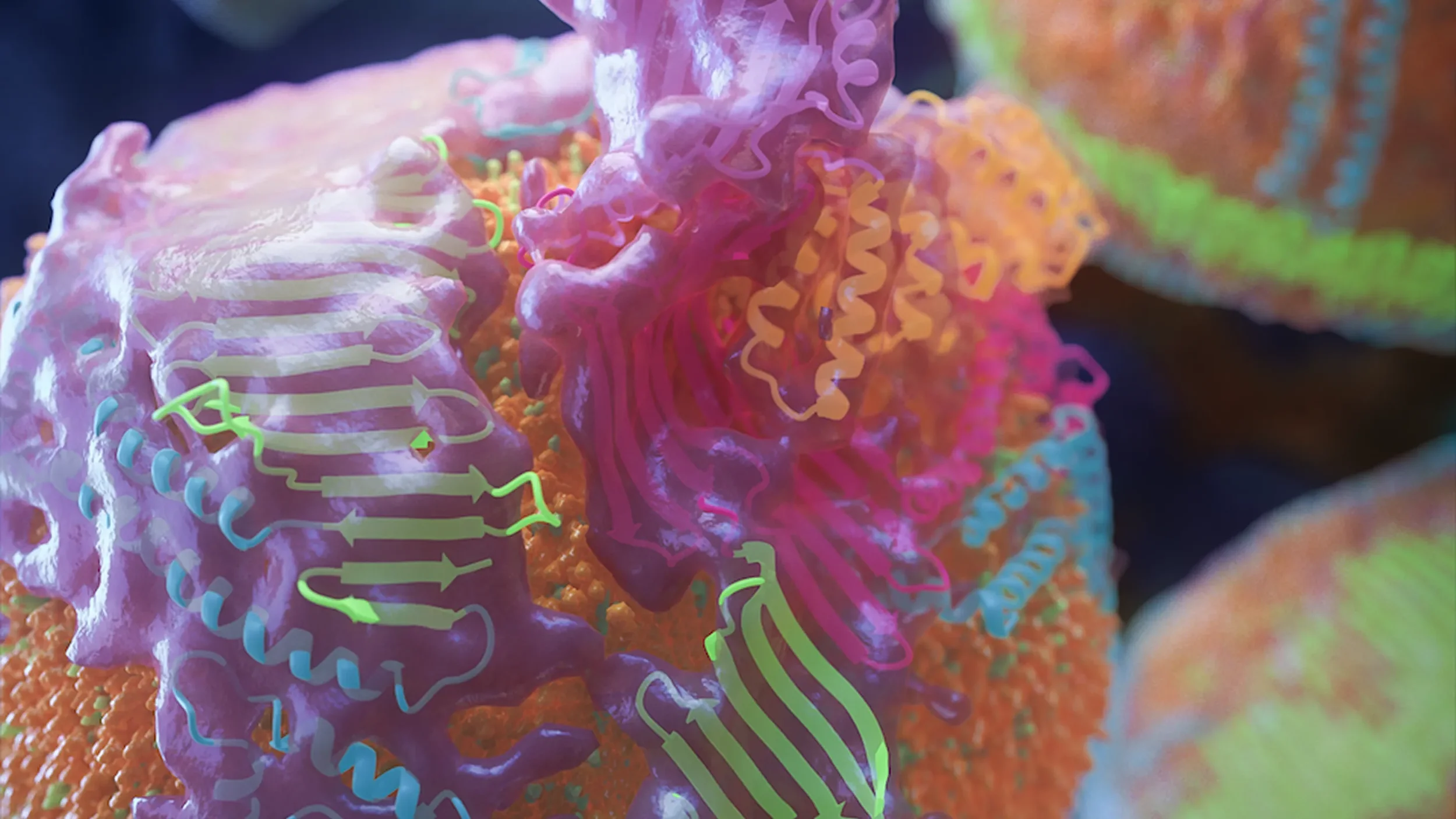
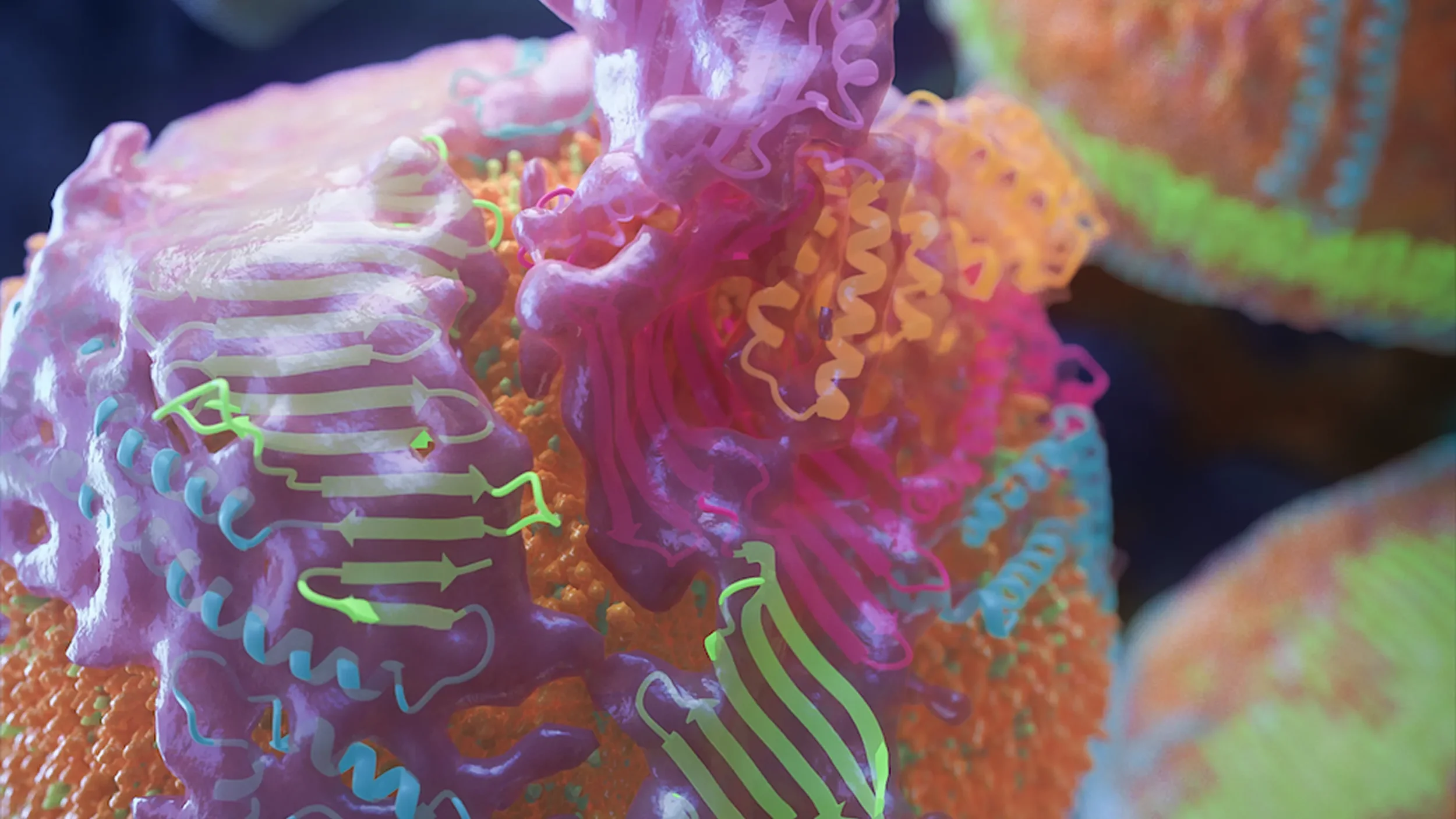
Atherosclerosis, caused by “bad cholesterol” (LDL), is the leading cause of global mortality. For decades, the structure of the central protein in LDL, apolipoprotein B100 (apoB100), remained elusive. AlphaFold 2 helped finally reveal its complex, cage-like shape. This long-awaited blueprint gives pharmaceutical researchers the atomic-level detail needed to design new preventative heart therapies.
John Jumper, one of the most instrumental scientists behind AlphaFold shares stories about his Nobel win, the tool's unexpected applications, and the shift in architecture from AlphaFold 2 to the more comprehensive AlphaFold 3.
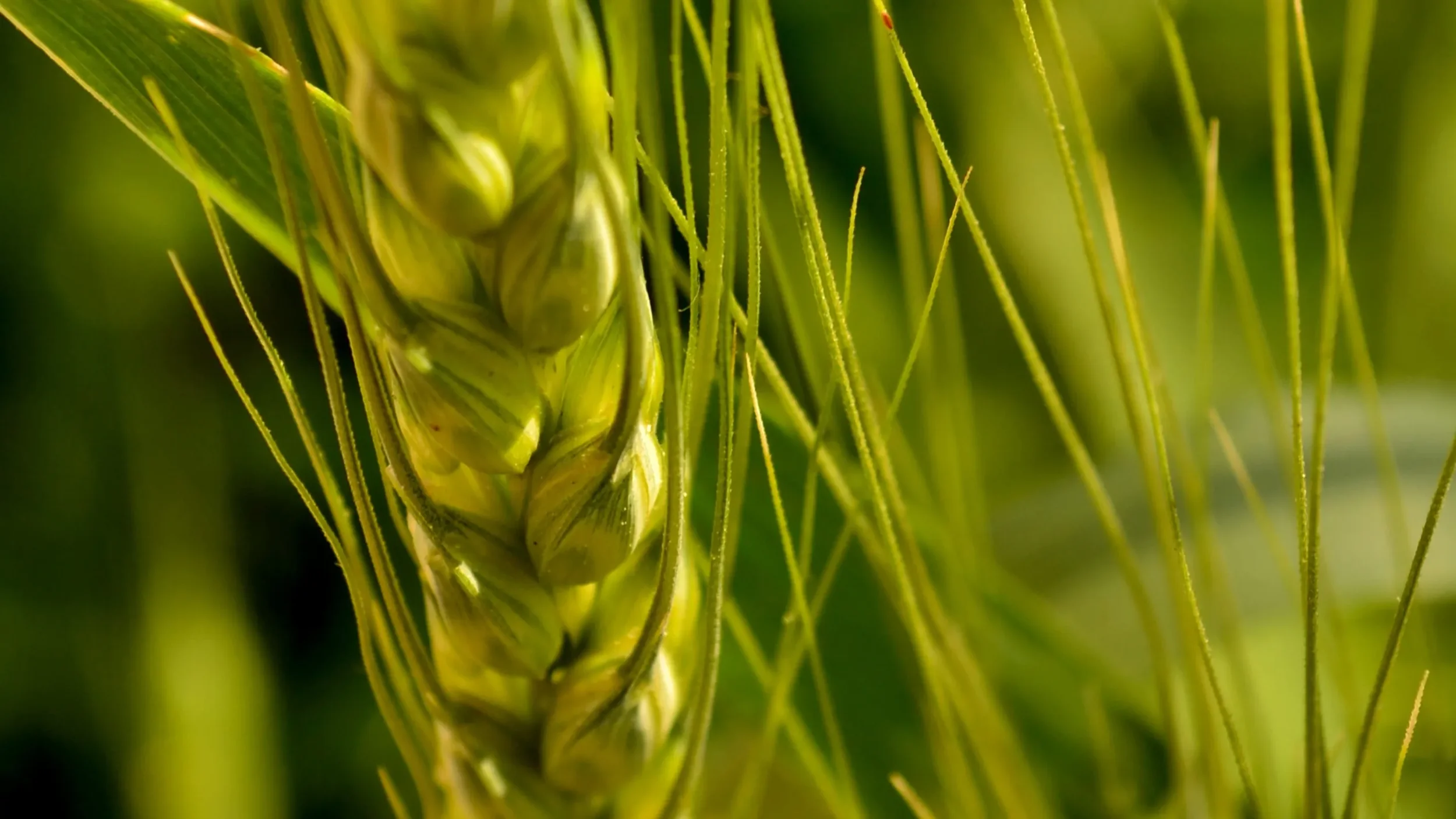
Rising global temperatures are threatening photosynthesis in staple crops by destabilising glycerate kinase (GLYK), a key enzyme in carbon recycling. Researchers at Michigan State used AlphaFold to predict GLYK's structure in both plants and heat-adapted algae, revealing unstable loops that fail under heat — and then engineered a hybrid enzyme stable up to 65°C that could form the basis of a molecular toolkit for climate-resilient agriculture.
Turkish undergraduate students Alper and Taner Karagöl taught themselves structural biology during the pandemic using online AlphaFold tutorials – with no prior training. They've now published 15 research papers.
Cyril Zipfel, professor of Molecular & Cellular Plant Physiology at the University of Zurich and Sainsbury Lab, saw research timelines shrink drastically. They used AlphaFold alongside comparative genomics to better understand how plants perceive changes in their environment, paving the way for more resilient crops.